
Called Monday about our Wolf range — burners were running hot after we moved in. Technician arrived Tuesday with parts already on the truck. Turns out the altitude orifices had been installed wrong by the previous owner. Calibrated on the spot, everything has been precise since. Very professional, explained every step.
Wine storage · Dual-zone · Cellars
Wine Cooler & Cellar Repair That Protects the Bottle
A wine cooler has one job: hold a stable, quiet, humid environment while your collection ages. When a zone drifts, a compressor cycles wrong or the cabinet starts to hum, we find the real fault and settle it fast — before your bottles pay for it.
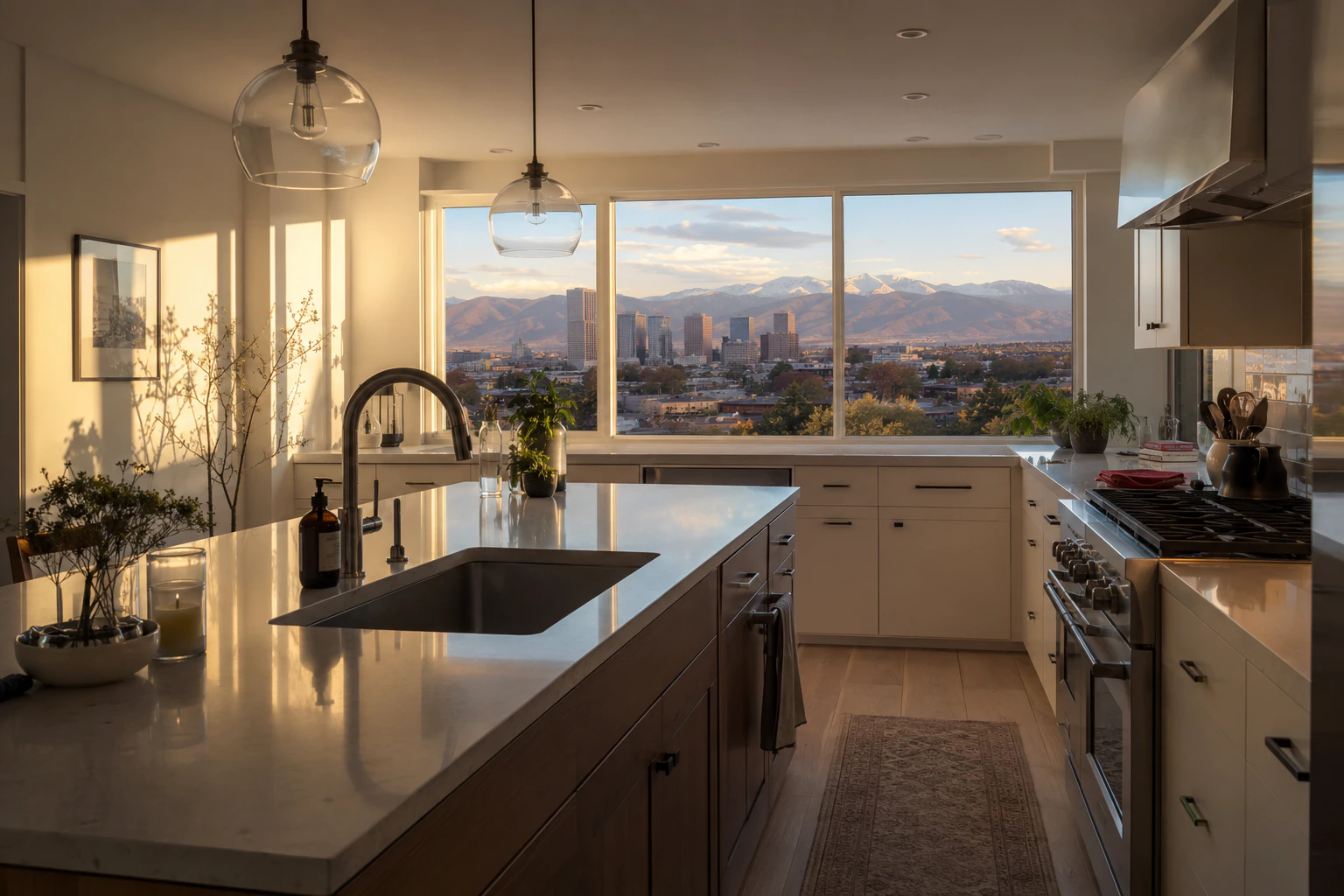
Wine storage is the appliance where the symptom and the cause are almost never the same thing. A cooler that "isn't cold enough" might have a failing compressor, a thermoelectric module that has aged out, a clogged condenser, a tired door seal, or a control board reading a dead sensor and refusing to call for cooling at all. Diagnosing it by feel gets you a wrong part and a second service call. We diagnose it by measurement.
The first fork is the cooling technology. Compressor-based units — including nearly every built-in Sub-Zero and premium cellar — behave like a small, precise refrigerator: they pull deep temperatures and shrug off a warm dining room in a Denver July, but they involve a sealed system, a defrost cycle and vibration that has to be managed. Thermoelectric coolers use a solid-state Peltier module and a fan; they run silent and gentle but have limited pull-down and struggle when the room gets hot or the module degrades. The playbook is completely different, so the first thing we establish is which one is in front of us.
The second fork is dual-zone control, where the cabinet runs two independent setpoints — reds near 55–65°F, whites and sparkling down around 45°F. When only one zone drifts, the fault is almost always local to that zone: its sensor, damper, fan or evaporator. When both drift together, we look upstream at the compressor, the board or the seal.
What we repair
Every failure mode a cellar actually has
We test the sealed system, the electronics and the cabinet envelope before we quote, so you pay to fix the fault — not to swap a guessed-at part.
- One zone drifting while the other holds its setpoint
- Unit not reaching set temp or running warm all day
- Compressor faults, startups, and sealed-system leaks
- Thermoelectric (Peltier) modules that have aged out
- Humidity too low — drying corks — or condensation inside
- Excess vibration that disturbs sediment and settles bottles
- Door seals, gaskets, hinges and self-closing spring faults
- UV-tinted glass, LED lighting and dimmer / control faults
- Control boards, temperature sensors and display errors
- Evaporator fans, condenser fans and blocked airflow
Wine doesn't forgive a cooler that runs two degrees warm for a month. We treat every repair like the bottles are still in it — because they usually are.
Why vibration and humidity matter
The two faults collectors underestimate
Temperature gets all the attention, but two quieter problems do just as much damage to a maturing collection. Vibration keeps sediment in suspension and can, over months, disturb the slow chemistry of aging; a cooler that has started to buzz or rattle usually has a compressor mount breaking down, a fan blade fouling its shroud, or a condenser fan bearing on its way out. We isolate the source with the cabinet loaded, so the fix holds in your home rather than on a bench. Humidity is the other one: too dry and corks shrink and let air in, too wet and labels spoil and mold appears. That balance depends on a sound door seal and correct airflow, which is exactly why a "temperature" complaint so often traces back to a flattened gasket or a blocked evaporator. We diagnose by measurement, not by feel — reading each zone against its setpoint, checking sensor resistance and watching a full cooling cycle before we ever name a part.
Good to know
Straight answers about wine cooler repair
Good to know
Straight answers about wine cooler repair
Direct answer
Why is only one zone of my dual-zone wine cooler warm?
When a single zone drifts while the other holds, the fault is almost always local to that zone rather than the whole system. The usual suspects are that zone's temperature sensor, its air damper, or its evaporator fan — not the compressor. We measure each zone against its setpoint on-site to confirm which one before touching a part.
Direct answer
Who repairs built-in wine cellars and Sub-Zero coolers in Denver?
Denver Wolf Repair is an independent service company covering the Denver metro and Front Range, and wine storage is one of our core specialties — including built-in Sub-Zero cellars and premium dual-zone cabinets. We handle compressor and thermoelectric units, humidity and seal problems, vibration, and control faults. Call (720) 790-9436, answered 24/7.
Direct answer
Is it worth repairing a wine cooler or should I replace it?
Built-in and integrated cellars are almost always worth repairing — the cabinet and installation are the expensive parts, and a sensor, fan, seal or board is a modest fix by comparison. Our flat $89 diagnostic tells you exactly what is wrong and what it costs before you decide, and it applies toward the repair if you proceed.
Know your unit
Compressor vs. thermoelectric at a glance
| Compressor-based | Thermoelectric (Peltier) | |
|---|---|---|
| Cooling reach | Deep, holds temp in a warm room | Limited pull-down, struggles when hot |
| Noise & vibration | Some — must be managed for wine | Near-silent, very gentle on bottles |
| Common faults | Sealed-system leaks, fan & mount wear | Aged module, fan failure, weak cooling |
| Typical use | Built-in Sub-Zero, larger cellars | Compact and freestanding units |
What it runs
Indicative wine cooler repair pricing
Wine storage spans everything from a compact countertop unit to a built-in cellar, so these are starting points, not quotes. You always get a firm number before any work begins.
Diagnostic / service callApplied toward the repair if you proceed
$89
Temperature sensor or zone damper service
from $139
Evaporator / condenser fan replacementAlso clears many vibration complaints
from $169
Door seal, hinge or self-closing spring repair
from $159
Control board or thermoelectric module servicePart cost varies by model
from $249
Every figure is a starting estimate, not a final price. The actual cost is set after an on-site inspection because wine coolers differ enormously by cooling type, size and parts availability — and it always begins with the flat $89 service call, which applies toward the repair if you proceed. We never charge for work you have not approved.
Wine cooler FAQ
Questions we hear most about cellars
My cooler runs but never reaches the set temperature — what's wrong?
On a compressor unit that usually means a struggling sealed system, a blocked condenser, or an evaporator fan that has stopped moving cold air; on a thermoelectric unit it points to an aged Peltier module or its heat-sink fan. A tired door seal can mimic both. We measure the actual pull-down before deciding.
The inside is drying out my corks — can you fix the humidity?
Yes. Low humidity almost always traces back to a compromised door seal or disrupted airflow rather than a broken humidity system. We restore seal compression and correct the airflow so the cabinet holds the roughly 50–70% range that keeps corks tight.
Why does my wine cooler vibrate or buzz now?
New noise or vibration is worth addressing quickly because it disturbs sediment and stresses aging wine. The common causes are a failing compressor mount, a worn condenser or evaporator fan bearing, or a fan blade contacting its shroud — all of which we isolate with the unit loaded and repair.
The LED lighting or display isn't working but it still cools — should I bother?
It's worth a look. UV-filtered glass and low-heat LED lighting are part of how the cabinet protects your wine, and a dead LED, a flaky dimmer or a display fault often shares a harness or a board with the temperature controls. Fixing it early keeps a minor electronics issue from becoming a cooling one.
Are you an authorized Sub-Zero or Wolf service center?
No — we are independent and not affiliated with, authorized by, or endorsed by Sub-Zero Group, Wolf Appliance, Inc., or any manufacturer. Our technicians are factory-trained and we fit factory-grade parts, which keeps brand-level expertise while staying flexible on scheduling and price.
Related services
Protect the collection,
not just the cabinet.
Same-day and next-day wine cooler diagnostics across Denver Metro. Calls answered 24/7.
Customer reviews
Trusted in Denver kitchens
Recent customer experiences with our appliance repair service.
Our Wolf oven was reading 50 degrees low — we'd been overcompensating for months. The tech tested it, replaced the temp sensor, and re-ran calibration. Baking has been completely different since. Honest diagnostic, fair price, no upselling.
Three igniter clicks on the left burner, then nothing. A different company quoted replacing the entire control board — nearly $900. Denver Wolf Repair diagnosed a faulty igniter module and fixed it for a fraction of that. Trust the specialists.
Wolf dual-fuel range with erratic simmer on the gas side. Technician found the altitude conversion had never been completed by the original installer — corrected it in under an hour. At 5,280 feet this is apparently common. Highly recommend for anyone with a similar setup.
Sub-Zero stopped cooling — called at 7 am, someone was here by 11. Condenser fan, which they had in the van. Groceries were saved. These technicians clearly know this equipment cold.
Wolf range hood stopped capturing smoke. Tech found a failing blower motor, ordered the part and installed it within two days. No upsell attempts, no unnecessary extras. Clean and done right.
Scheduling was easy, tech was on time. Oven door seal was cracked and they replaced it cleanly. Would have given 5 stars but had to wait a few extra days for the part. Otherwise thorough diagnostics and honest about what actually needed fixing.
Control board on our Wolf oven started throwing error codes. I dreaded a huge bill, but the tech walked me through exactly what was wrong before touching anything. Repair was done same visit. Professional from first call to sign-off.